Hi! I’m Diego Tanton
I’m a Senior Data Scientist with 8+ years of experience across higher education, insurance, healthcare, and research. At Strategic Education Inc., I lead machine learning, analytics, and data engineering initiatives spanning Torrens, Strayer, and Capella Universities. Outside of my industry work, I conduct independent machine learning research focused on learned representations, robustness, and agent behavior. Earlier in my career, I worked in epidemiology and bioinformatics at the National Institute on Aging and Johns Hopkins University, and later founded Invive to apply AI to life insurance risk assessment.

Strategic Education Inc. | Senior Data Scientist (2024 - Present)
Enterprise Analytics
I’m a Senior Data Scientist at Strategic Education, Inc., a publicly traded (NASDAQ: STRA) education company with more than 6,000 employees. Within a team of a dozen data scientists, I’m the only one with major responsibilities spanning all three universities—Torrens, Strayer, and Capella—supporting work across student success, prioritization, collections, and analytics.
Real-World Impact
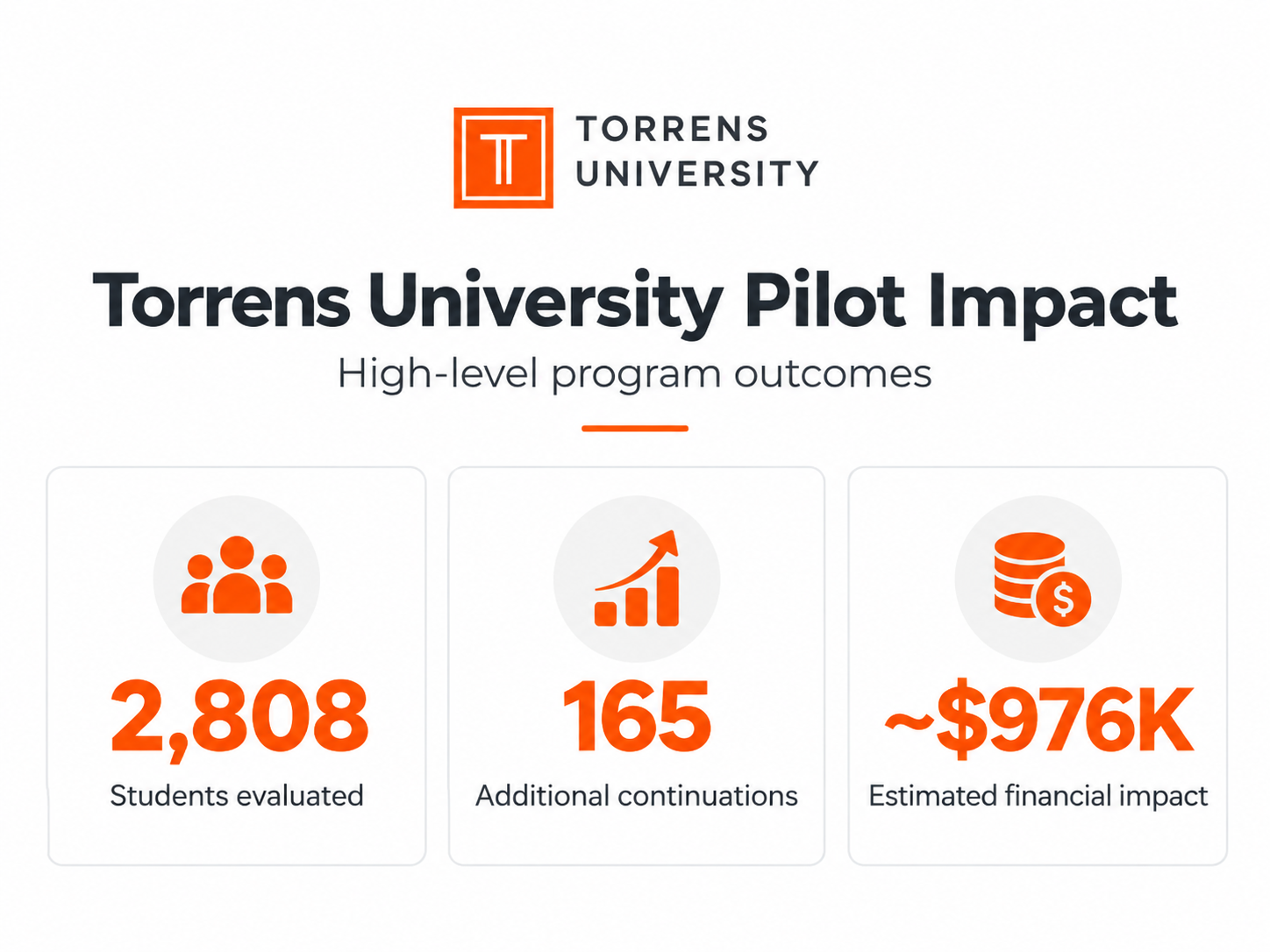
Within Torrens University, I led the development and deployment of a student success model designed to help learning facilitators identify at-risk students and prioritize targeted outreach. In a pilot involving 2,808 students, the program produced an estimated 165 additional continuations and approximately $976K in financial impact for the university.
Full Model Lifecycle
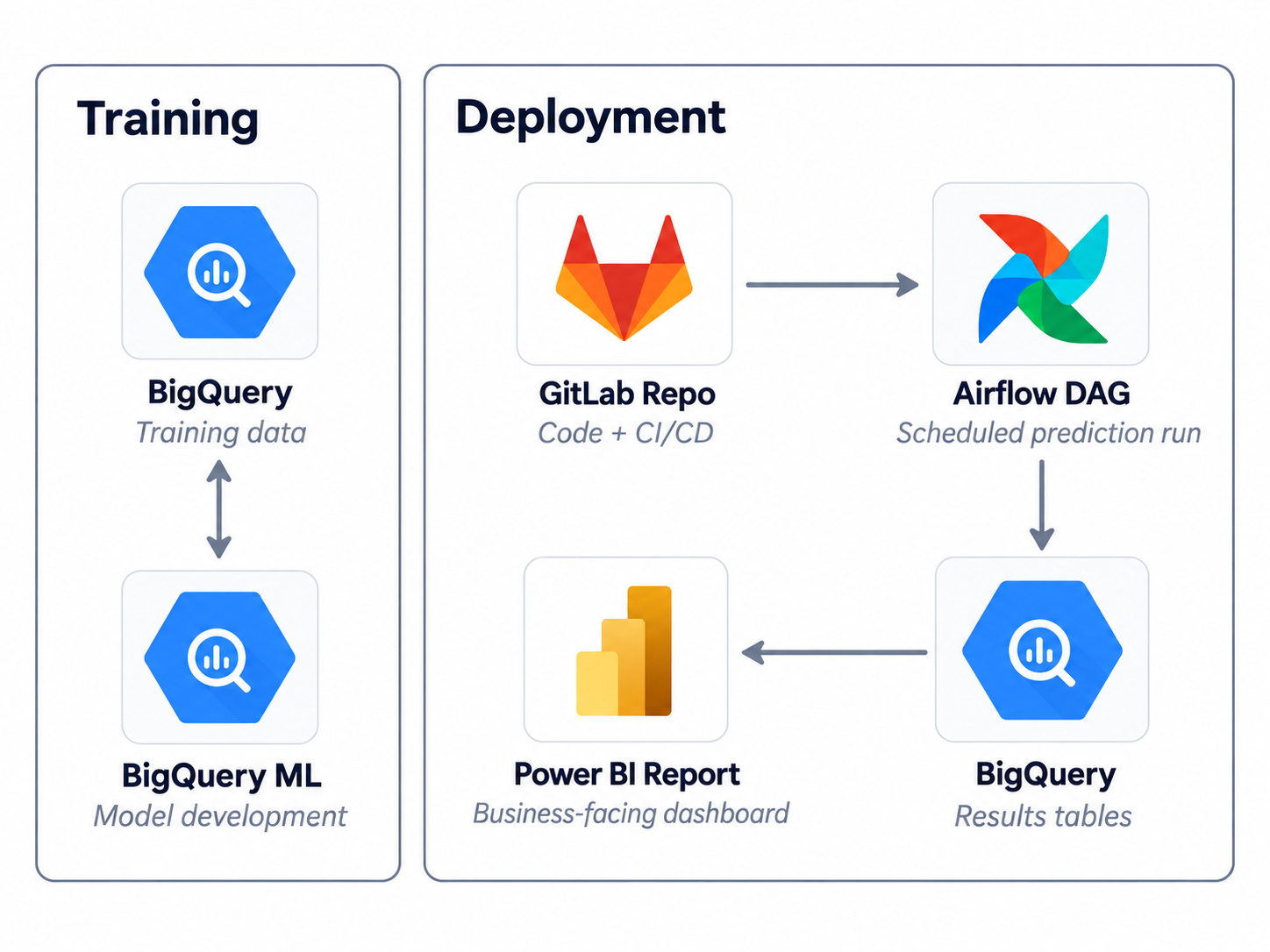
My work spans the full production lifecycle. I’ve built and deployed models in BigQuery ML, developed supporting data pipelines and CI/CD workflows, orchestrated scheduled scoring with Airflow, and delivered results through Power BI products used by business partners. This has included production models serving tens of thousands of students as well as source-to-production pipelines built from raw operational data.
AI Productivity Tools
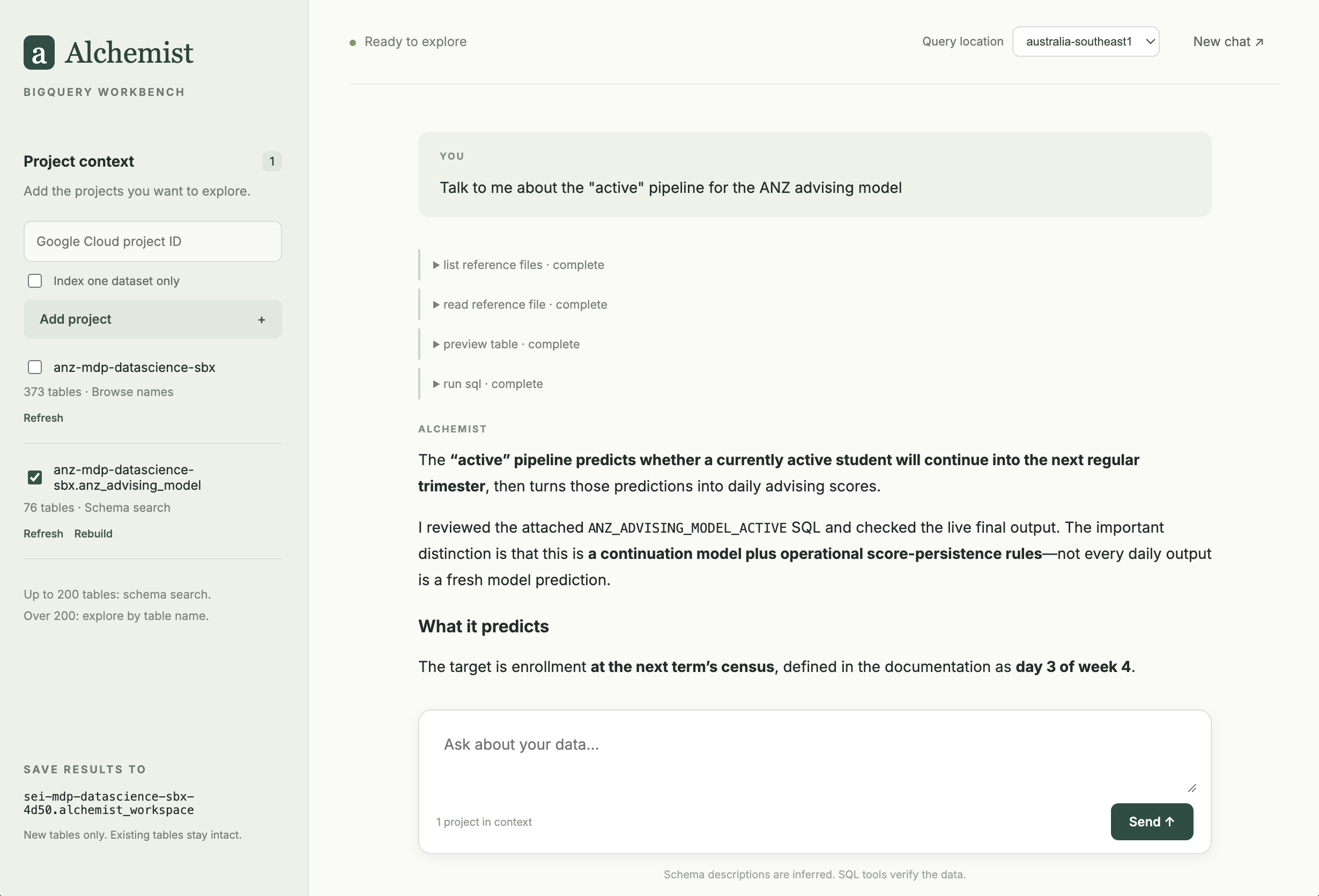
For developers, I built Alchemist, a conversational BigQuery workbench using Python, FastAPI, and Pydantic AI. It combines retrieval-augmented generation with embedding search over indexed table schemas in our enterprise data warehouse. The workbench leverages agent tools for table discovery, data profiling, key validation, and SQL execution.
Hall of Mirrors | Independent ML Researcher (2025 - Present)
Representation Learning
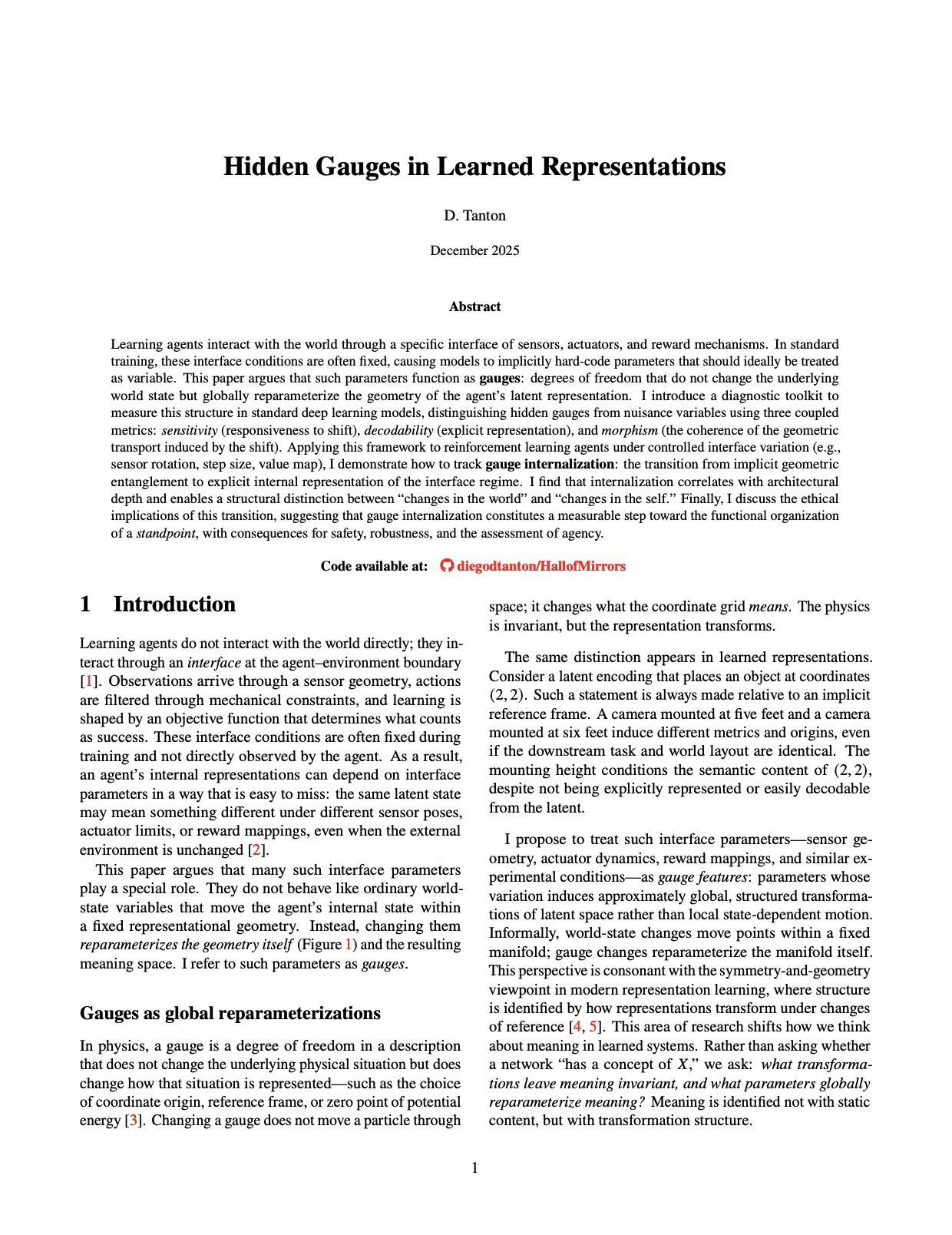
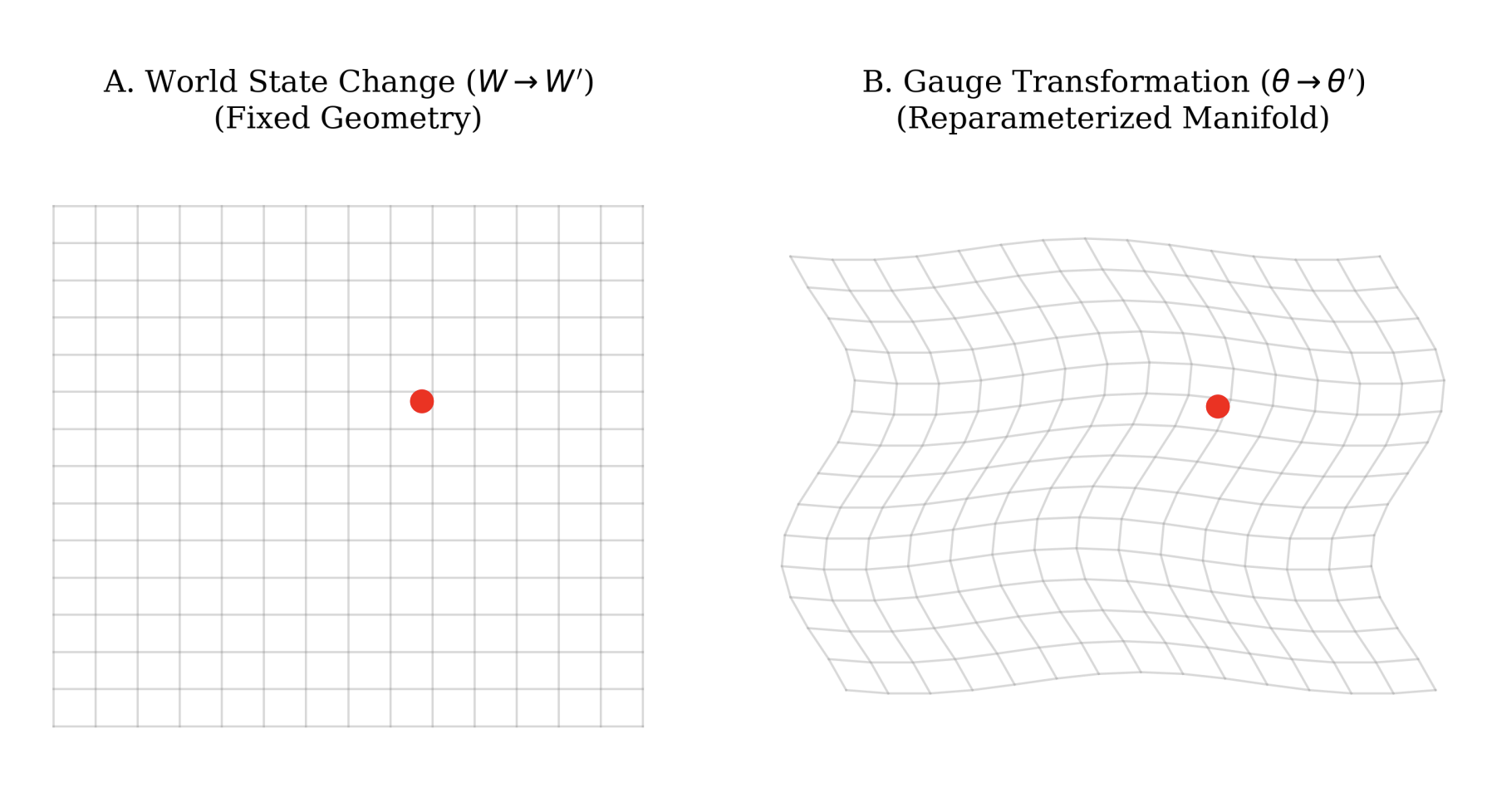
Hall of Mirrors is an independent research project exploring how neural networks distinguish changes in the world from changes in the interface through which they experience it. I study factors such as sensor orientation, actuator behavior, and reward structure—and whether models simply absorb those conditions into their internal geometry or eventually learn to represent them explicitly as part of their own operating context. This distinction matters for building agents that can distinguish changes in themselves from changes in the environment.
← Click
Measuring Hidden Structure
I developed a diagnostic framework for detecting these hidden “gauge” features inside learned representations. By combining sensitivity, decodability, and morphism, the framework can separate ordinary noise from structured changes that reshape an agent’s internal coordinate system, and track when those hidden background assumptions become explicit variables the model can internally represent.
Reinforcement Learning Experiments
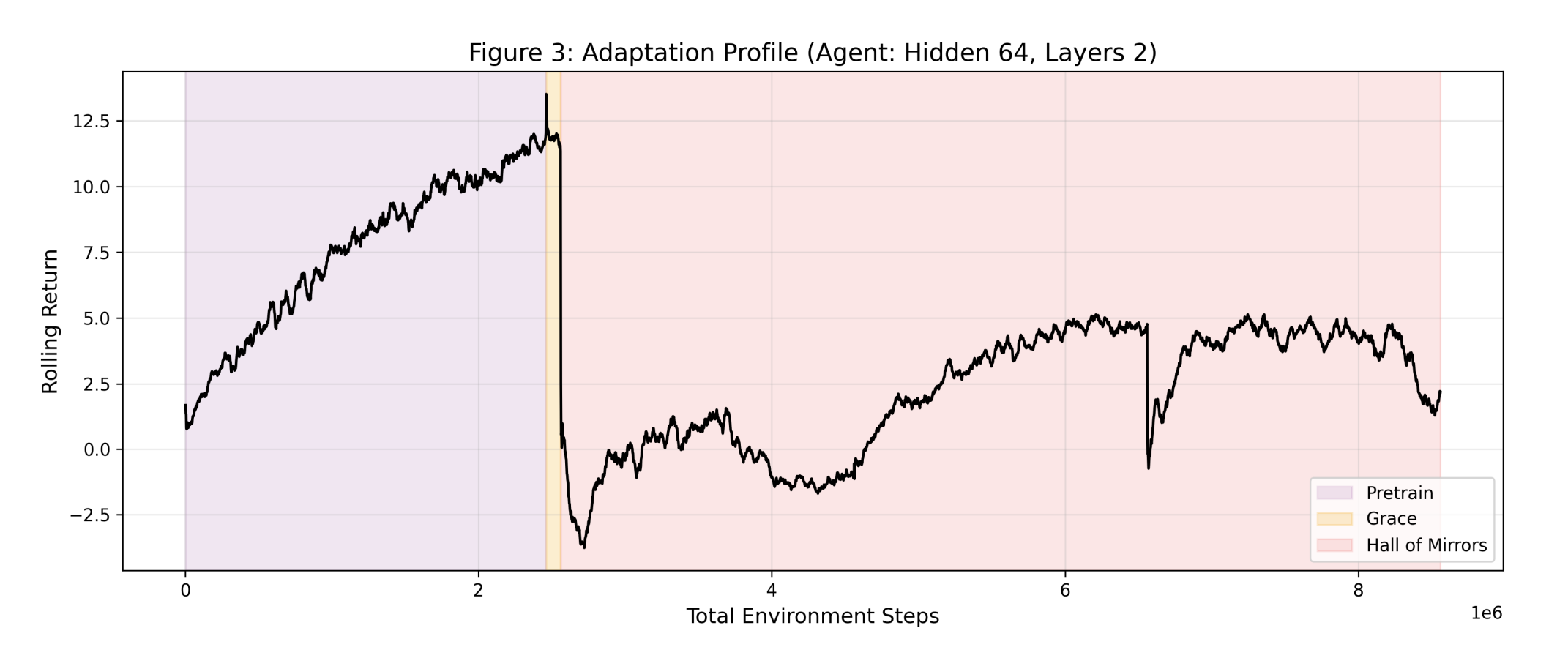
To test the idea, I built a custom MiniGrid reinforcement-learning environment and trained PPO agents across a range of network depths and widths while varying sensor rotation, movement step size, and reward mappings. The clearest result appeared for sensor rotation: deeper networks were more likely to shift from implicitly warping their representation around the sensor frame toward explicitly encoding that the frame itself had changed.
Invive | CEO & Founding Data Scientist (2022 - Present)
Communication
Here I am speaking at the Global Insurance Symposium 2023, pitching Invive to a large crowd of insurance industry professionals.
Click →
Predictive Modeling
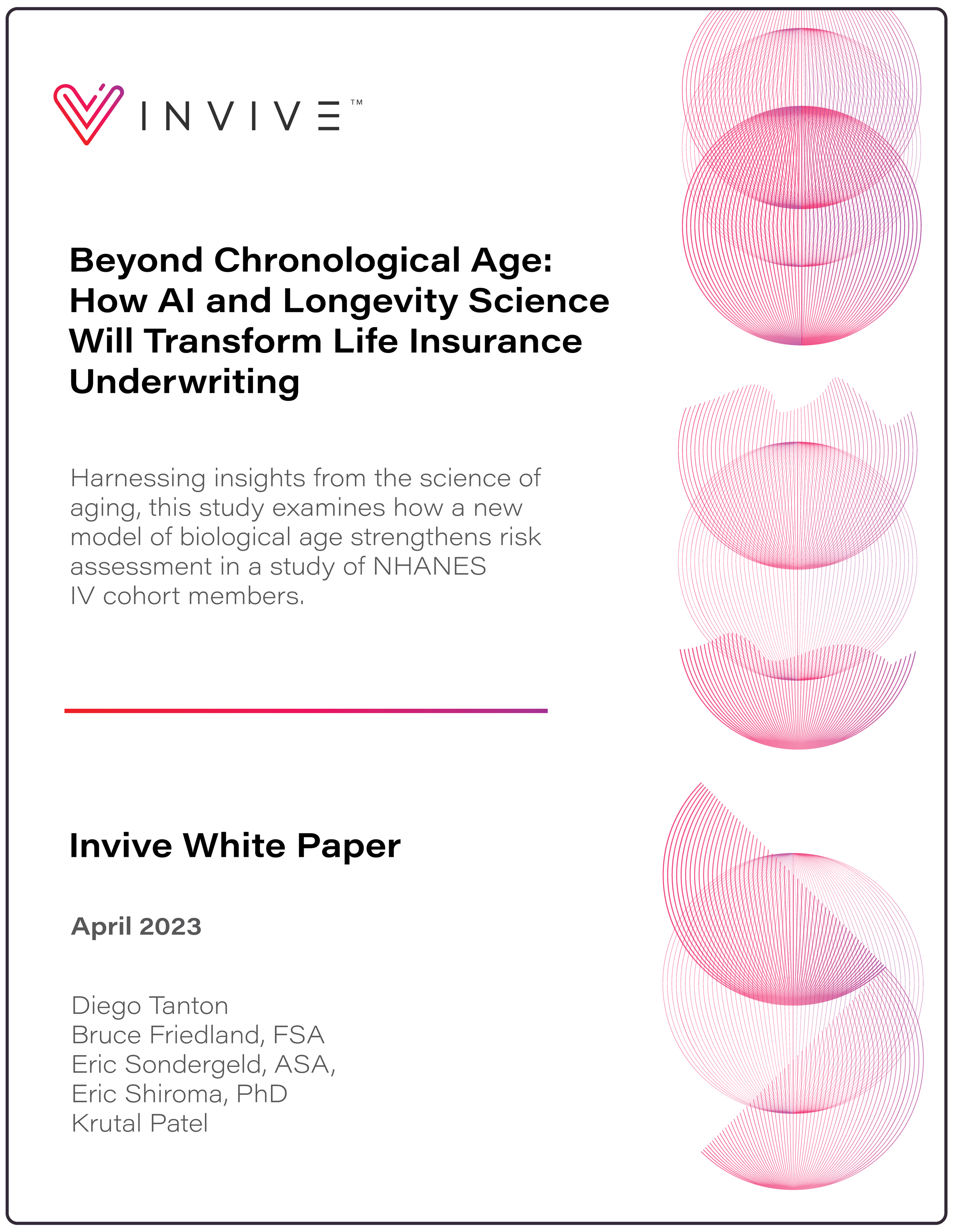
With the help of stellar advisors and my old mentor from the NIH, I authored an actuarial white paper to evaluate the underwriting lift of Invive’s predictive risk model.
← Click
Leadership
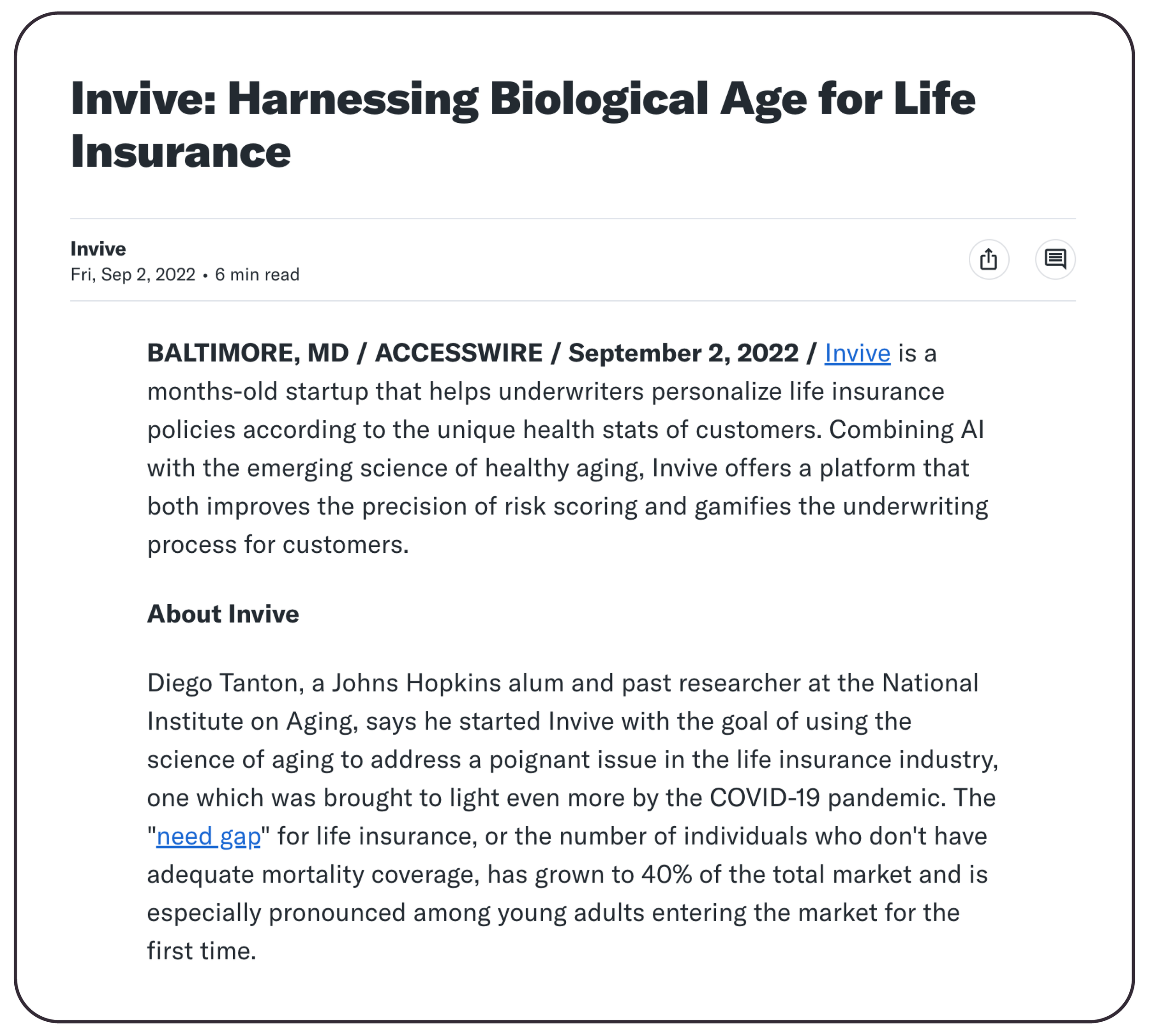
Invive was featured in an article by Yahoo Finance. In the article, I’m interviewed about my motivations for starting the company, as well as its future aims.
Click →
National Institute on Aging | Data Analyst Research Fellow (2019 - 2022)
Statistical Analysis
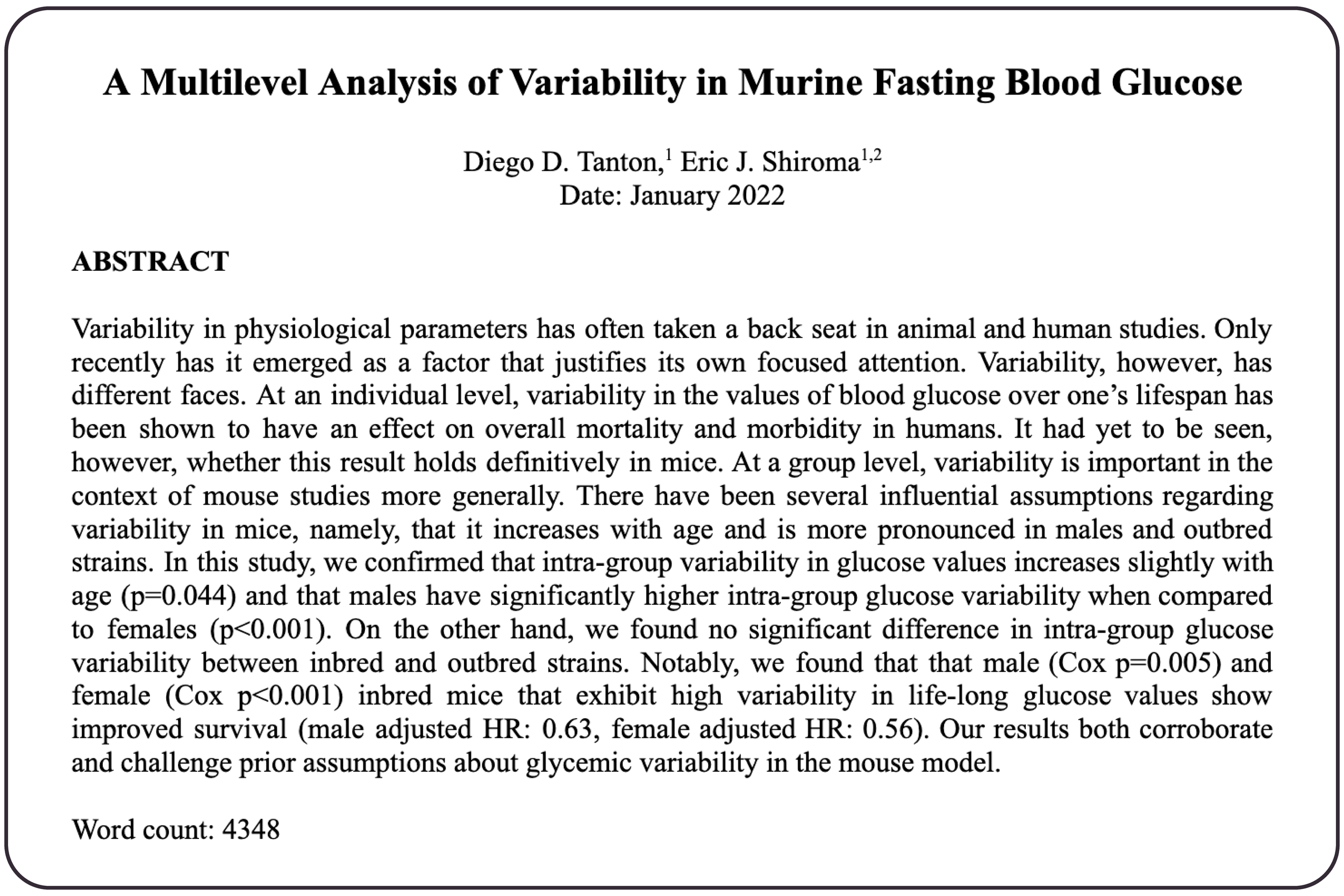
During my time at the NIH, I authored a manuscript that used statistical modeling to explore the impact of blood glucose variability on mouse survival outcomes.
Deep Learning
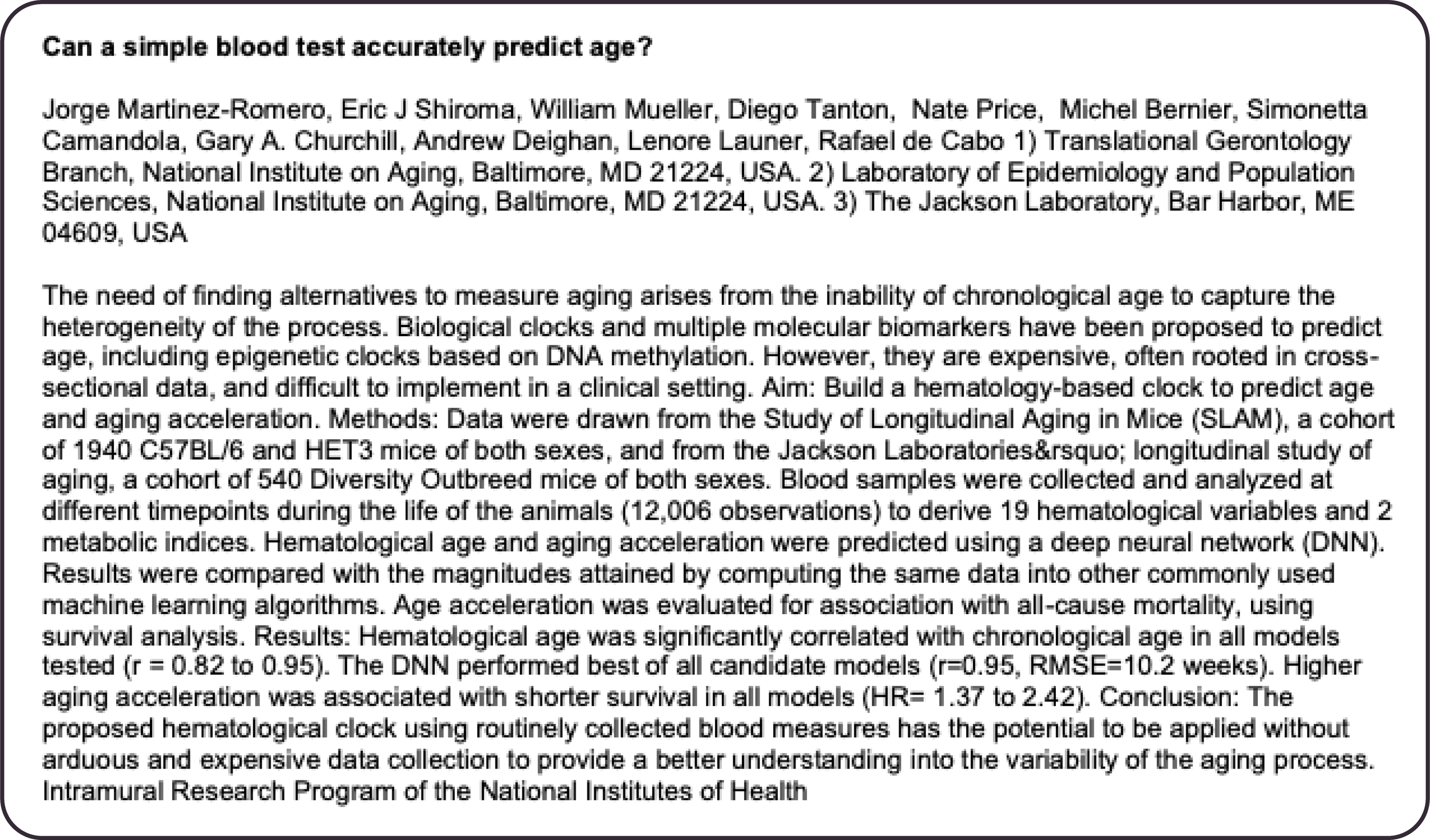
I contributed to a deep learning project that used mouse blood biomarkers to predict age, allowing us to better benchmark age-related changes.
Unsupervised Learning
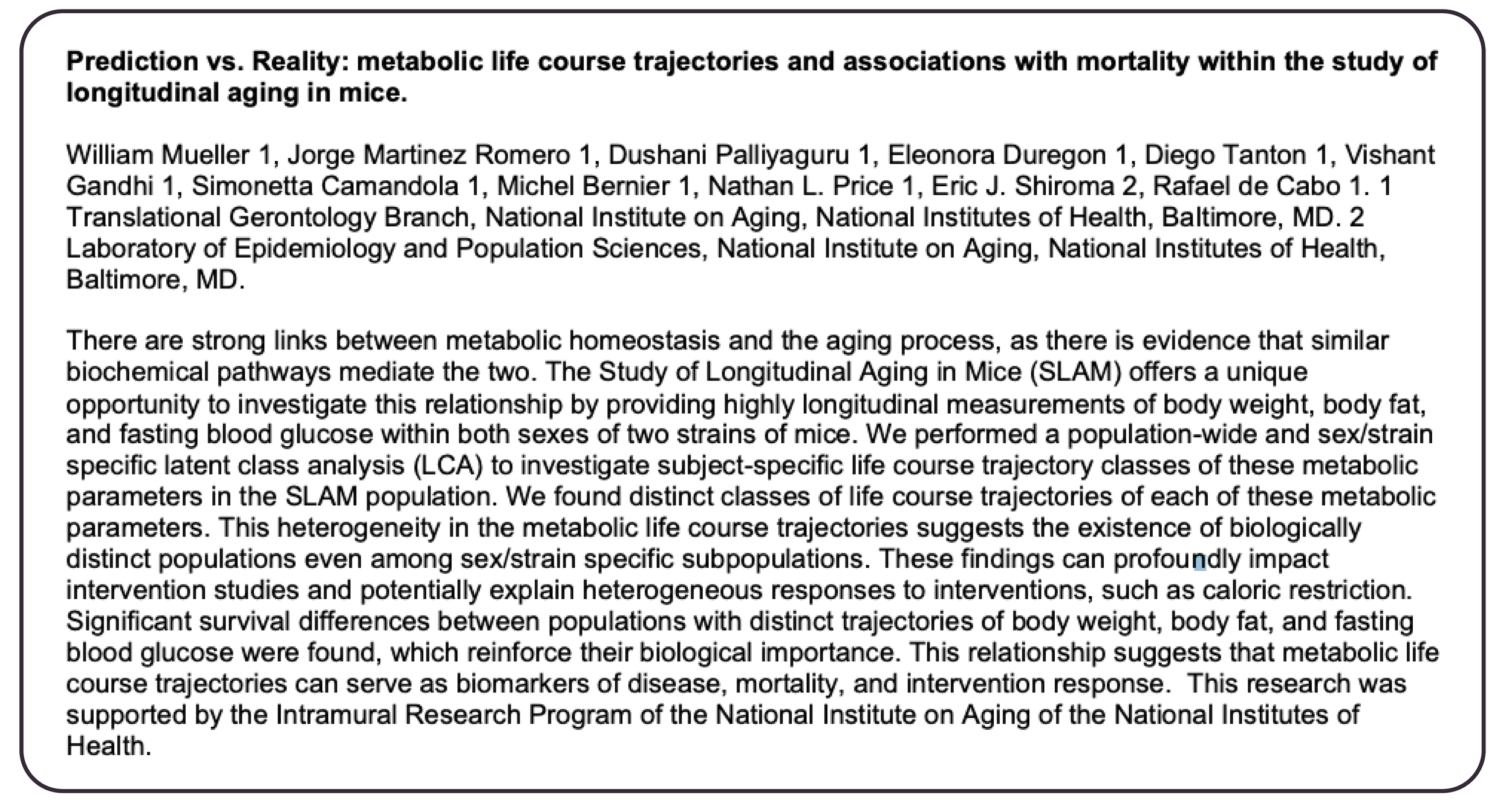
Finally, I contributed to an unsupervised learning project identifying latent classes grouping mouse life course trajectories.
Johns Hopkins University | Bioinformatics Research Fellow (2018 - 2021)
Bioinformatics
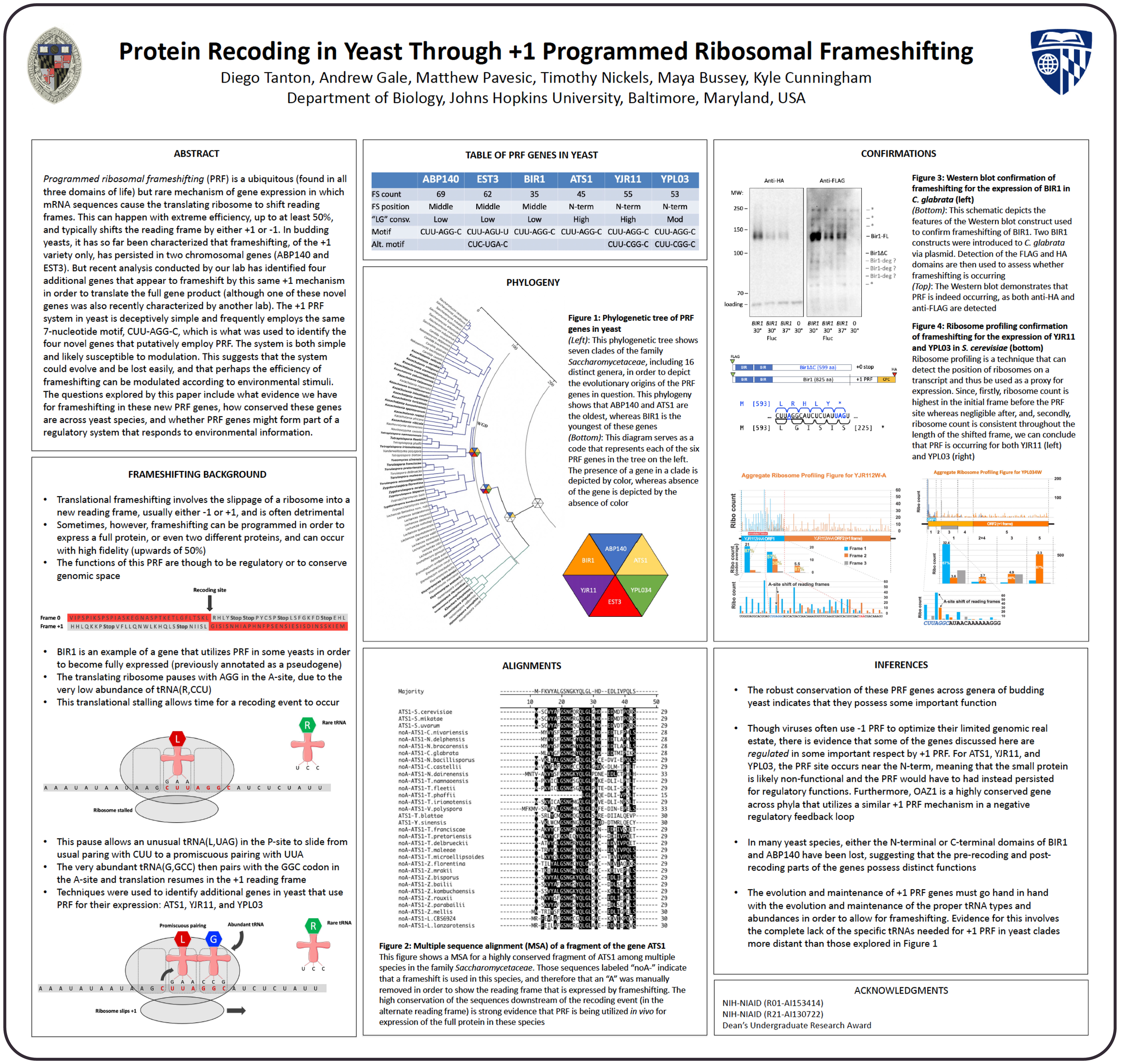
My first exposure to data science was my university honors thesis, which involved writing a Python script to identify novel programmed frameshifting sites in the genomes of yeast.